Articles & News from Dr.Q
Insights, background, updates, and engineering perspectives from the Dr.Q team.
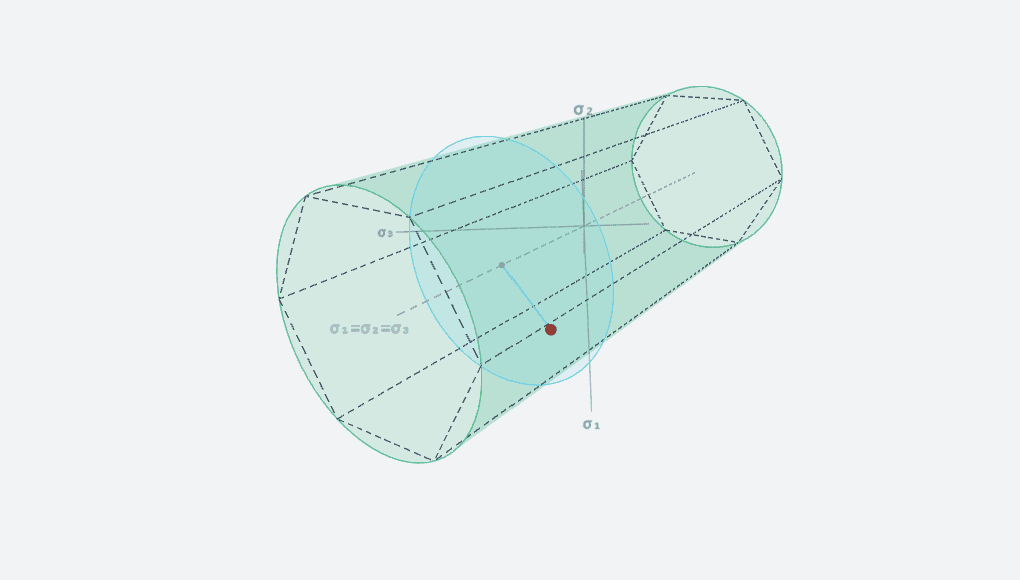
Six Numbers, One Decision: What Really Lies Behind Equivalent Stress
A solid steel cube at 10 km ocean depth has 100 MPa on every face. Its equivalent stress: practically zero. Here's what that tells us about how yielding really works.

External Articles about Dr.Q

Dortmunder KI-Startup hilft Mittelständlern
Dortmunder KI-Start-Up hilft Mittelständlern

Wie KI den Berstdrucknachweis demokratisiert
Mit der cloudbasierten Simulationssoftware mit integriertem KI-Assistenten Dr.Q will das gleichnamige Start-up die klassische FEM-Nutzung revolutionieren: Der Nutzer formuliert seine Absicht in einfachen Begriffen, die Software übernimmt und erzeugt schließlich eine realistische Simulation.
Six Numbers, One Decision: What Really Lies Behind Equivalent Stress
A solid steel cube at 10 km ocean depth has 100 MPa on every face. Its equivalent stress: practically zero. Here's what that tells us about how yielding really works.

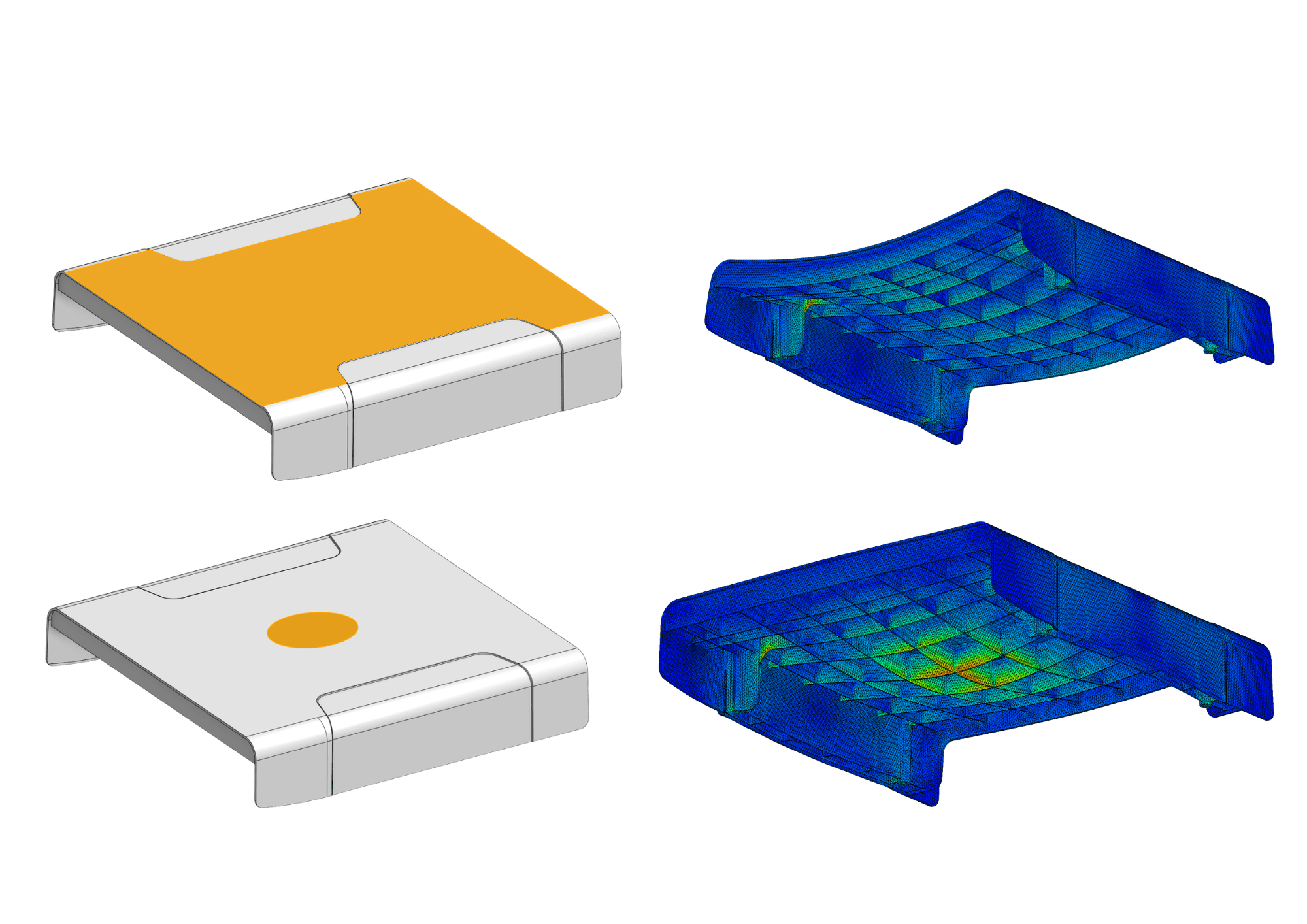
STEP Surfaces as Boundary Conditions: 51% More Precision in FEM Simulation
Manually assigning FEM boundary conditions costs time and risks unrealistic results. Defining load surfaces as standalone STEP files sidesteps both, and in our practical example produced a 51% higher stress value at the same load.
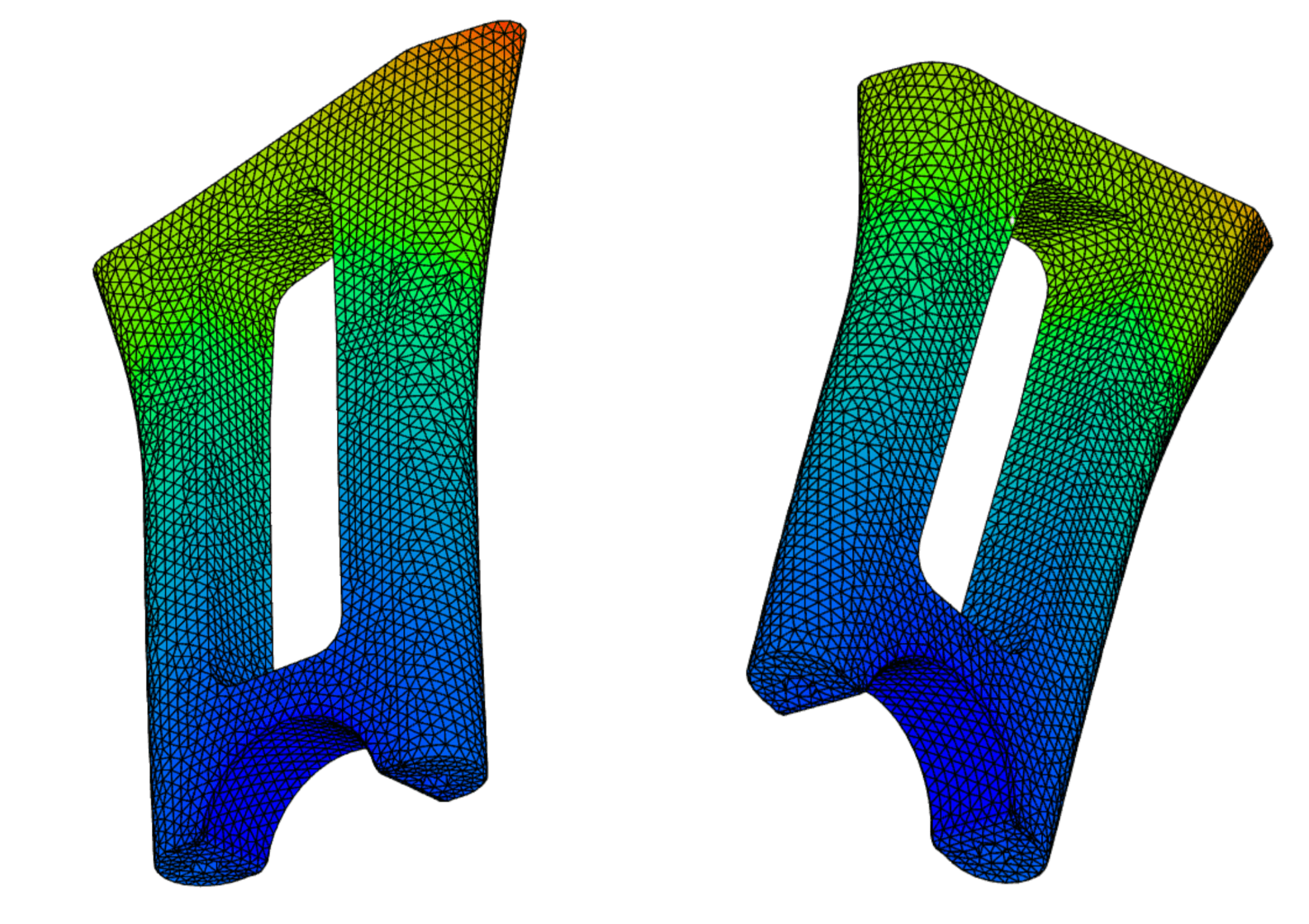
FEM Simulation for Aerocockpits: Understanding Loads Early
Aerocockpits must withstand extreme loads while remaining light and rigid. Using a real development project, we show how FEM simulation helps identify issues early.
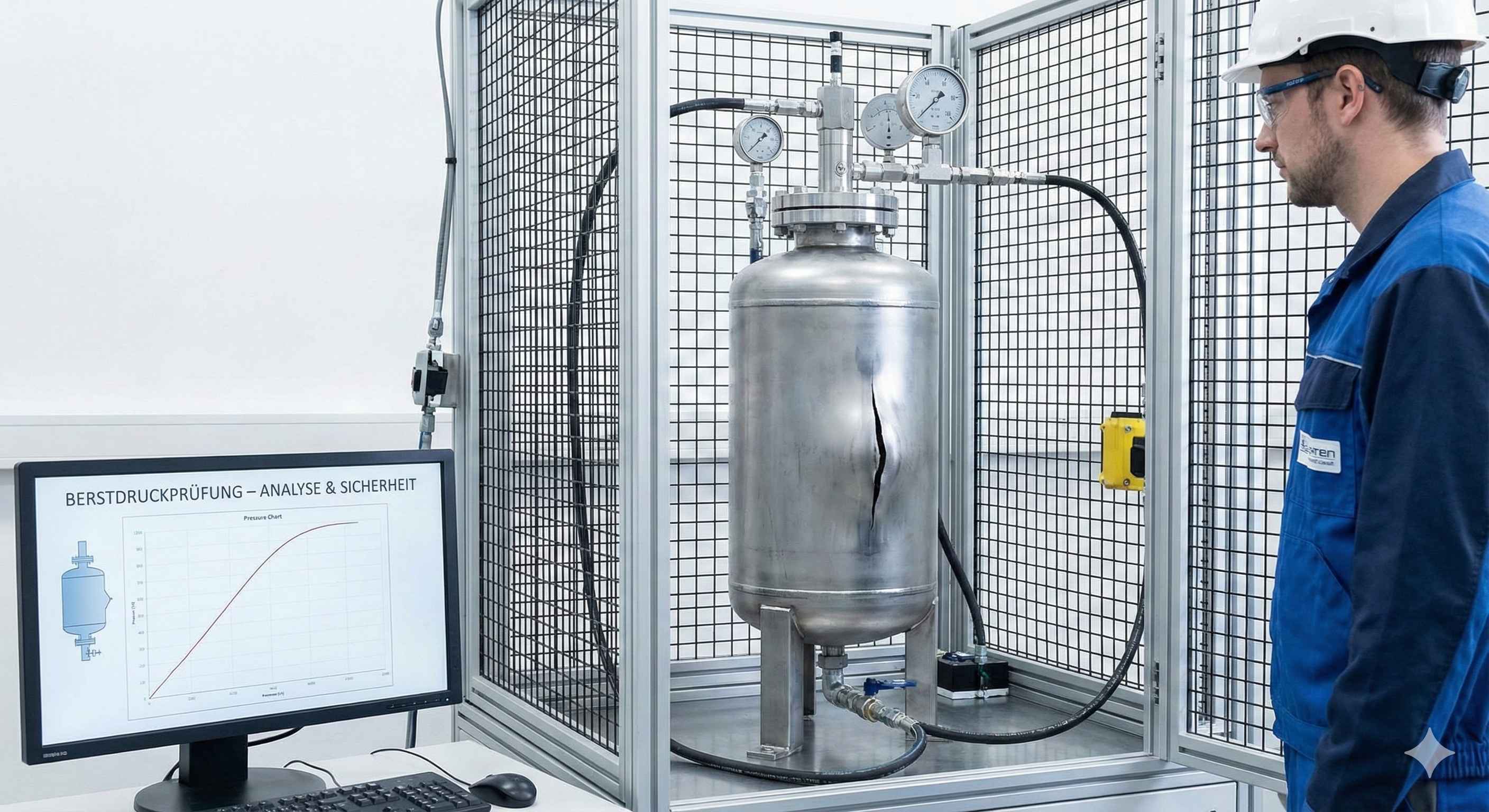
Burst Pressure Simulation for Pressure Vessels: Validating Safety Early
How burst pressure simulation reduces development risks and why automated wet surface detection is key to validating pressure vessels safely and early.
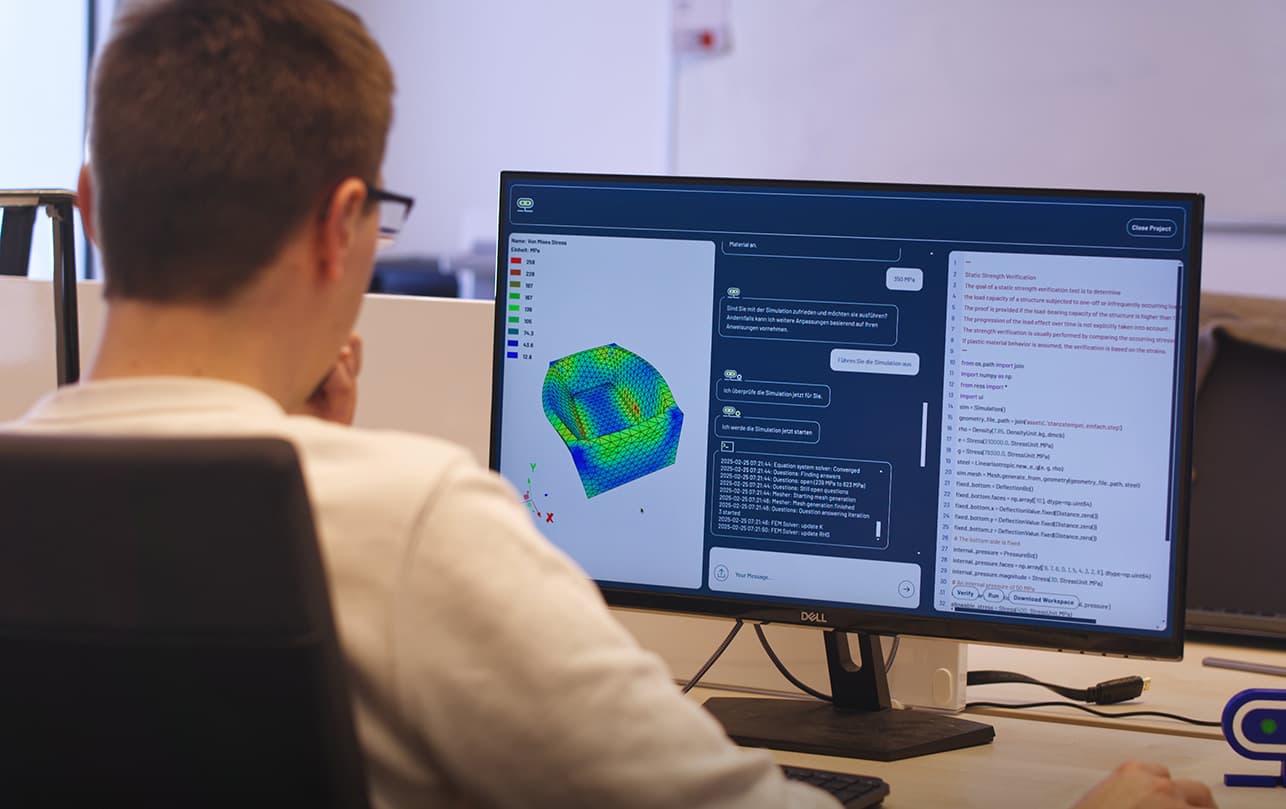
Why Convergence Studies Matter
Engineers rely on simulations to make critical decisions, yet the precise numbers displayed are often just approximations of reality. Without understanding their accuracy, even well-founded decisions can become a gamble. Convergence studies provide the necessary validation by ensuring that simulation results remain stable as model resolution improves, forming the foundation for trustworthy and reliable engineering outcomes.